December 8, 2025
From small upgrades to large-scale property improvements, metalwork projects demand careful planning and skilled execution. Whether you’re looking to enhance security, improve curb appeal, or create long-lasting structural features, choosing the right welding contractor is essential. The scale of your project influences everything from material selection to timelines, equipment needs, and overall costs. Understanding how project size shapes the work process helps you make confident decisions, set realistic expectations, and communicate clearly with professionals. This blog explores how to assess your project’s scope and find a welding contractor whose experience and capabilities align with your goals, whether you're adding a single gate or building a full perimeter fence.
Evaluating the Scale of Your Project
Before meeting with a welding contractor, it’s helpful to define the general size and purpose of your project. A gate installation has significantly different requirements than a full-property fence or structural addition. Knowing approximate measurements, materials you prefer, and functional goals—such as privacy, safety, or aesthetic value—allows contractors to provide accurate timelines and estimates. Larger projects may require site assessments, equipment staging, and multiple crew members to maintain efficiency. By approaching your project with clear expectations, you help streamline the consultation process and ensure smoother planning and execution.
Understanding How Project Size Influences Labor and Timeline
The scale of your project directly affects labor requirements and scheduling. According to Bob Vila, a fence that is 150 to 200 feet long requires about 20 to 35 hours to install, illustrating how time demands increase with length and complexity. A welding contractor will evaluate not only distance and height but also terrain, access points, and weather conditions. Larger installations may require phased workdays, temporary supports, or coordination with other trades such as excavation or masonry teams. When you understand how project size affects timelines, you can better plan around property access, security needs, and expected disruptions.
Matching Contractor Capabilities to Your Needs
Not all contractors handle the same types of welding tasks. Some focus on residential-scale projects, while others may work more frequently on commercial or industrial installations. When choosing a welding contractor, ask about their experience with projects similar in scale and complexity to yours. For example, a contractor accustomed to fabricating custom gates may not routinely manage long-range fencing systems, while a contractor experienced in extensive perimeter work may be better suited for high-volume fabrication and installation. Aligning their capabilities with your project ensures efficiency, accuracy, and strong long-term durability.
Understanding Equipment and Materials for Different Scales
The equipment and materials needed for a project can vary dramatically depending on scope. A small gate may only require portable welding tools and minimal materials, whereas a full fence installation may need heavy-duty cutters, welding rigs, and reinforced steel or aluminum components. When consulting a welding contractor, discuss the materials that will meet both your visual preferences and functional requirements. Thicker metals, powder-coated finishes, and corrosion-resistant alloys may be recommended for larger installations that face long-term exposure to the elements. Ensuring the contractor has the right equipment also reduces delays and helps maintain consistent quality.
Understanding Project Costs Across Different Scales
Cost is one of the most important factors for property owners, and project size is central to determining the overall investment. Hiring a welding contractor involves costs for labor, materials, site prep, equipment transport, and finishing work. Small projects offer quicker turnaround times and typically lower costs, while large-scale fencing or structural builds demand more resources. Contractors may provide tiered pricing, allowing you to compare options such as metal type, design complexity, and additional features like powder coating or locking systems. Transparency about project scale helps ensure accurate estimates and reduces the risk of unexpected expenses.
Considering Safety for Projects Large and Small
Safety is a critical factor in any metalwork installation, no matter the size of the project. A welding contractor follows strict safety protocols to protect both workers and property. For smaller tasks, safety may focus on proper handling of hot materials and controlled welding environments. Larger projects introduce added considerations such as securing the work zone, preventing structural hazards, and complying with local building codes. Discussing safety expectations and procedures during the consultation phase helps ensure the installation is completed efficiently and with proper hazard management.
Knowing How Design Choices Influence Project Scope
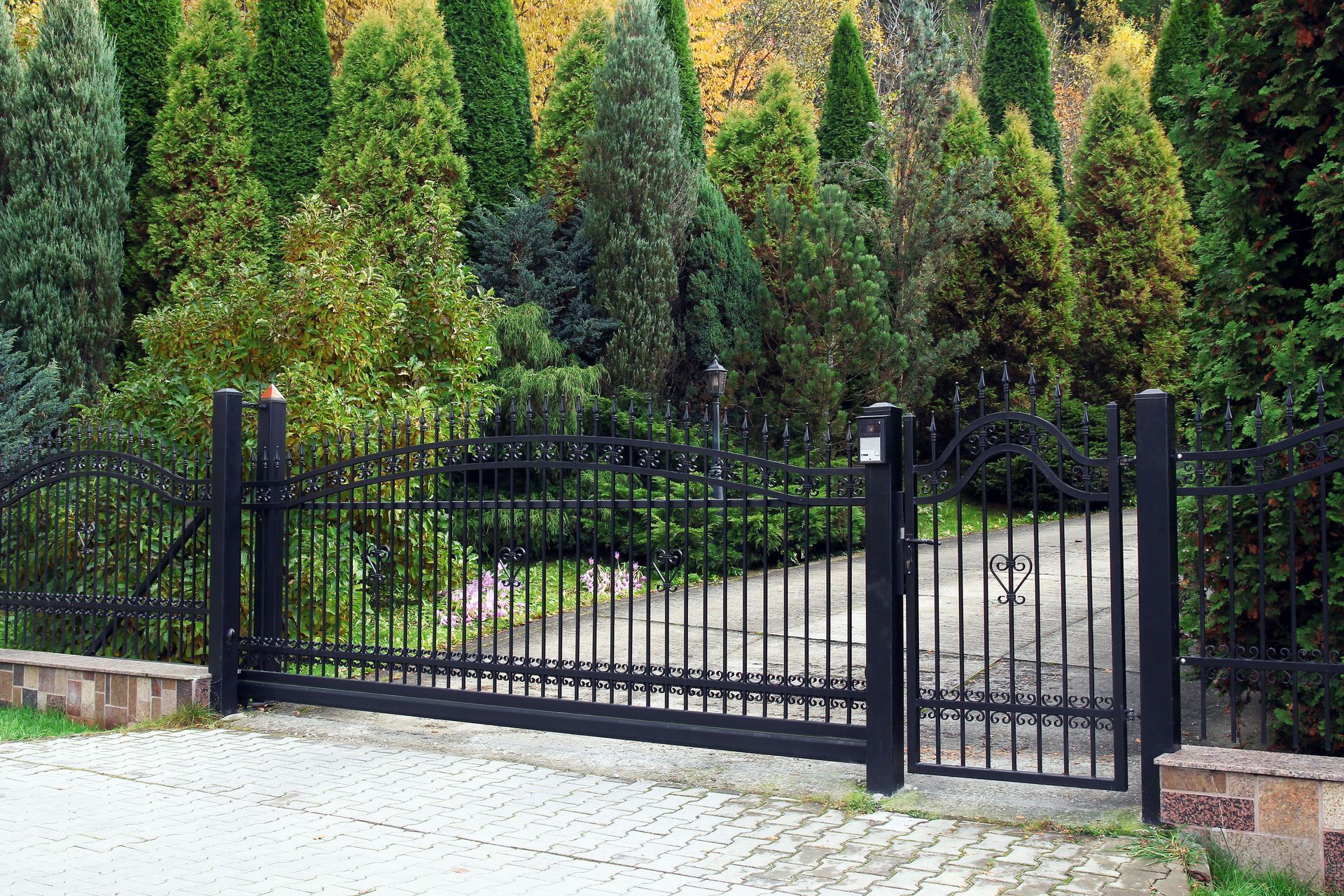
Design plays a major role in defining the overall scale and direction of a project. A simple, straight-line fence requires less fabrication than a fence with curves, decorative elements, or multiple integrated gates. When speaking with a welding contractor, explore design options that meet your functional goals while staying within your desired scope and budget. Customized designs may add visual appeal but will also influence material selection, fabrication time, and installation processes. Understanding the relationship between design complexity and project size helps you make decisions that balance style and practicality.
Coordinating Your Project with Property Layout
Your property’s layout can significantly affect how a project unfolds. A welding contractor will assess grade changes, obstacles like trees or retaining walls, and access limitations such as narrow driveways or uneven terrain. Small adjustments, such as moving a gate or modifying fence height, may improve functionality and reduce installation time. Larger properties might require surveying or marking boundary lines to ensure proper placement. Clear communication about property details helps the contractor plan effectively and reduces the likelihood of delays due to unexpected obstacles.
Prioritizing the Role of Communication Throughout the Project
Consistent communication is especially important when dealing with large-scale metalwork installations. A welding contractor should keep you informed about scheduling updates, material deliveries, fabrication progress, and any on-site challenges. For smaller projects, communication may focus on approval of design details and final installation steps. Establishing expectations early—such as preferred contact methods, update frequency, and decision-making timelines—helps avoid misunderstandings. Good communication also ensures that adjustments can be made before issues become costly or time-consuming.
Ensuring Long-Term Durability and Maintenance
No matter the size of the project, durability is a key priority. A welding contractor can explain which materials and finishes offer the longest lifespan, given your climate and property conditions. Larger installations might require more extensive maintenance planning, including periodic inspections, touch-up coatings, or reinforcement in high-use areas. Gate hinges, latch systems, and weld points are all components that may require attention over time. By understanding how to maintain your completed metalwork, you protect your investment and improve the long-term performance of the installation.
Choosing a Contractor Who Understands Your Vision
Every metalwork project is unique, and finding a welding contractor who listens to your goals makes the process smoother and more successful. Whether you’re adding a small entry gate, updating a section of existing fencing, or building a full perimeter enclosure, the contractor should provide clear guidance tailored to the scale of your project. Reviewing past work, discussing material preferences, and outlining a project timeline help ensure your vision is carried through effectively. When the contractor understands not just the technical requirements but also the purpose behind the installation, the final result is more likely to meet your expectations.
Matching project size with the right welding contractor is essential for achieving safe, efficient, and visually appealing results. Understanding how scope affects timelines, materials, costs, and communication helps you make informed decisions from the start. Whether you’re installing a simple gate or completing a full-property fence, taking time to evaluate the contractor’s experience, equipment, and approach ensures a smoother process and a stronger final outcome. By aligning your goals with the contractor’s capabilities, you can move forward confidently and enjoy a durable metalwork installation that enhances both function and appearance. Do you need a welding contractor? Call Colorado Custom Iron Works Inc and speak to one of our experienced team members to learn more information today.