October 9, 2026
Your front door serves as the focal point of your home’s exterior, offering the very first glimpse into your personal aesthetic while serving as the primary barrier of protection for your household. While traditional wood and modern fiberglass doors have long been standard choices, homeowners and architects are increasingly turning to custom iron doors to achieve an unparalleled synthesis of structural integrity, timeless luxury, and tailored artistic expression.
Investing in custom iron doors allows property owners to transcend standard architectural limitations. Beyond their immediate visual grandeur, these entryways offer exceptional weather resilience, advanced thermal efficiency, and unmatched security features. Whether designed with intricate traditional scrollwork or minimalist contemporary lines, a bespoke iron entryway creates a commanding presence that significantly elevates curb appeal and overall property value.
In this comprehensive guide, we will explore the rich history, modern fabrication techniques, custom design features, and functional performance metrics that make custom iron doors a premier choice for entryways. From selecting decorative glass and smart security integration to proper installation and long-term maintenance, discover how thoughtful craftsmanship can turn a functional front door into an enduring architectural statement.
The Evolution of Iron Doors: From Traditional to Contemporary
Historical Background and Evolution of Iron Doors
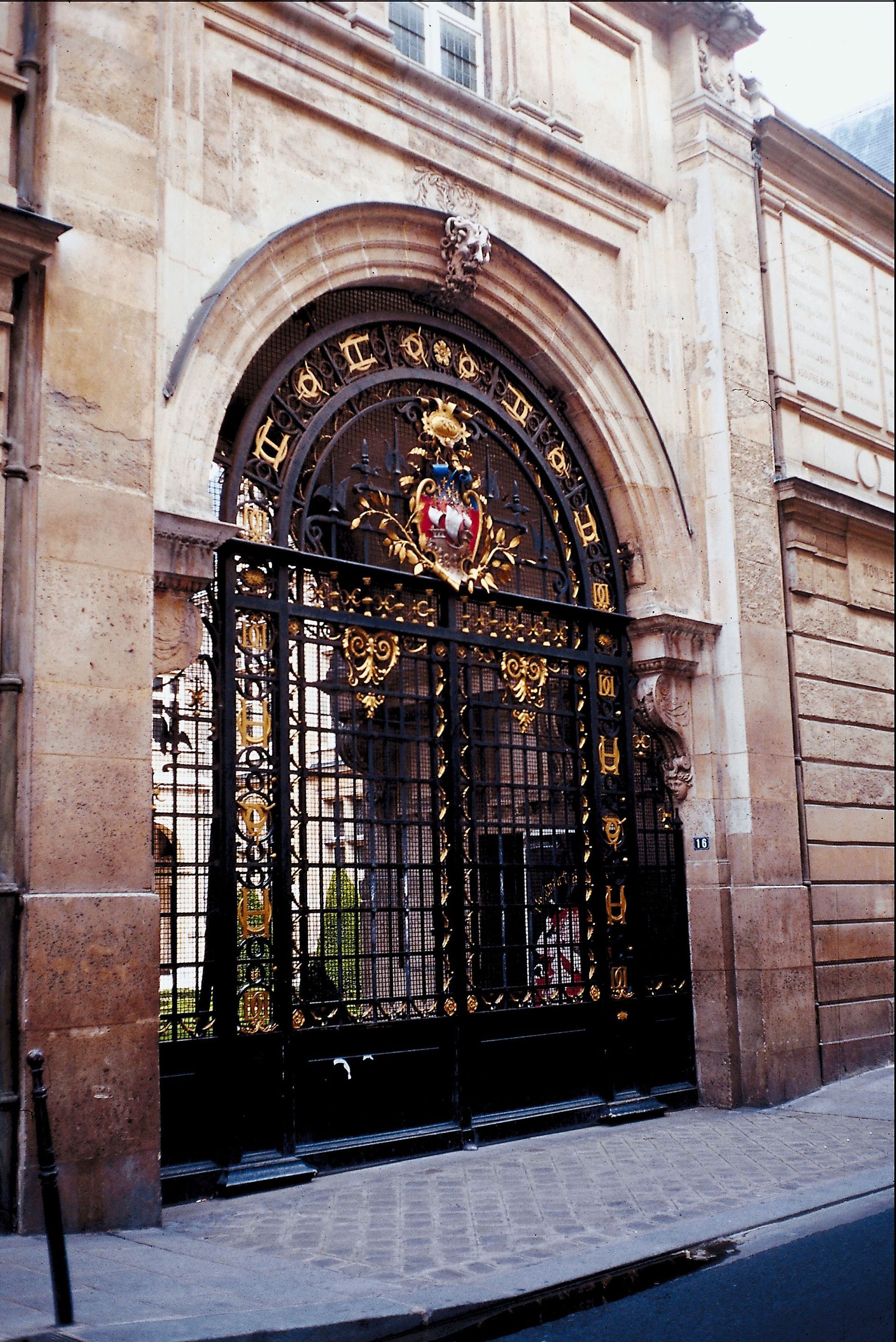
Iron doors have been a symbol of strength and elegance since ancient civilizations. These doors have journeyed through time, adapting to styles while maintaining their structural integrity. In medieval times, iron was valued for its robust nature, essential for keeping fortresses secure. As times progressed, the artistic inclination of integrating detailed ironwork began to flourish, allowing doors to not only serve a practical purpose but also to make a statement of presence and artistry. Today, the evolution of custom iron doors reflects the convergence of security needs with aesthetic desires.
Influences of Architectural Styles on Iron Door Designs
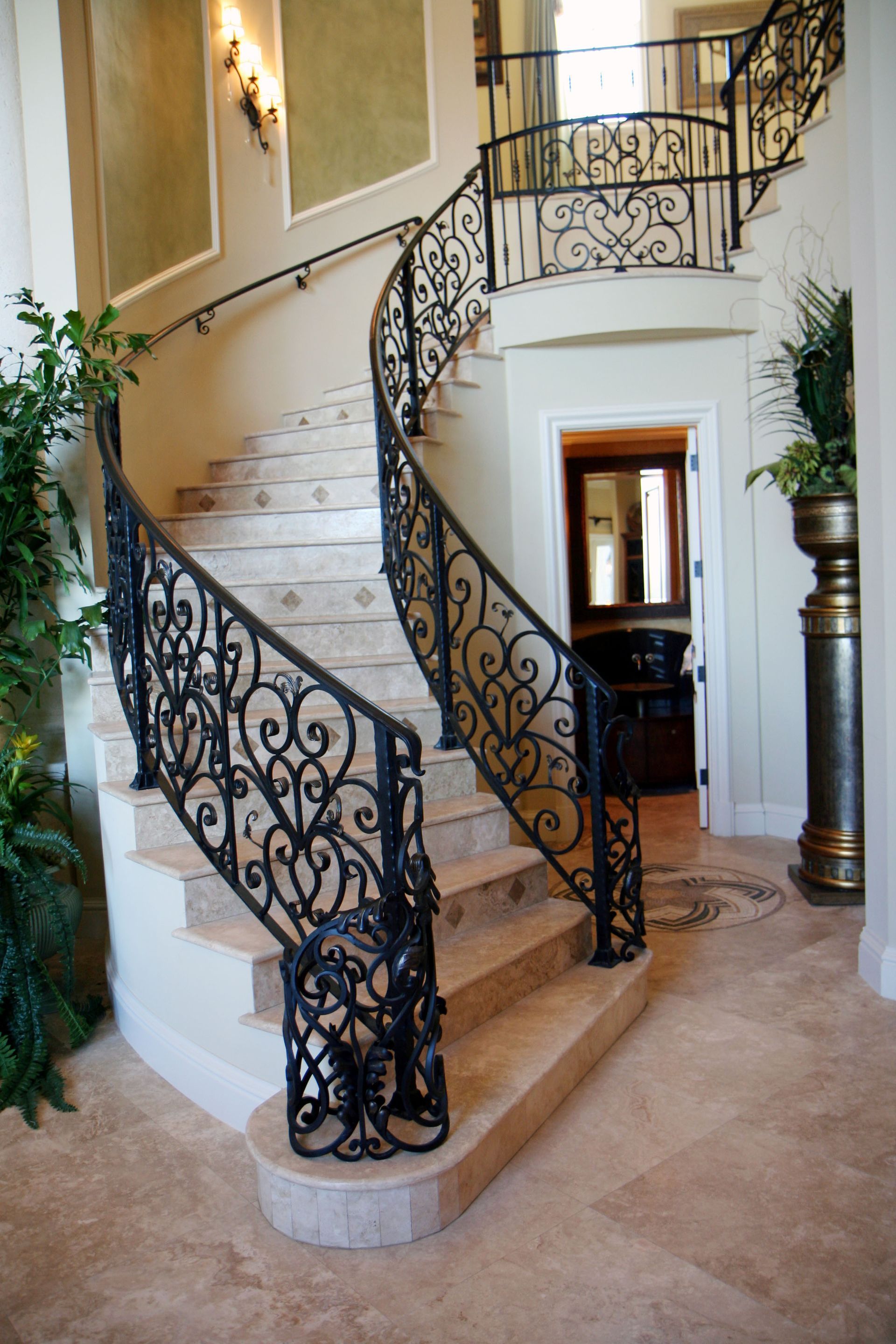
Architectural styles have heavily informed iron door designs over the years. Gothic, Renaissance, and Colonial architectures introduced intricate geometric patterns and floral motifs in ironwork, emphasizing grandeur. Modern and contemporary designs encouraged minimalism, leading to sleek lines and silvery finishes that embodied simplicity and futurism. The adaptation of these styles allowed iron doors to remain relevant across centuries while remaining versatile enough to complement varied architectural styles today. This adaptability ensures that custom iron doors continue to be a popular choice among architects and homeowners seeking a balance of tradition and modernity.
Transition from Traditional to Modern Iron Door Aesthetics
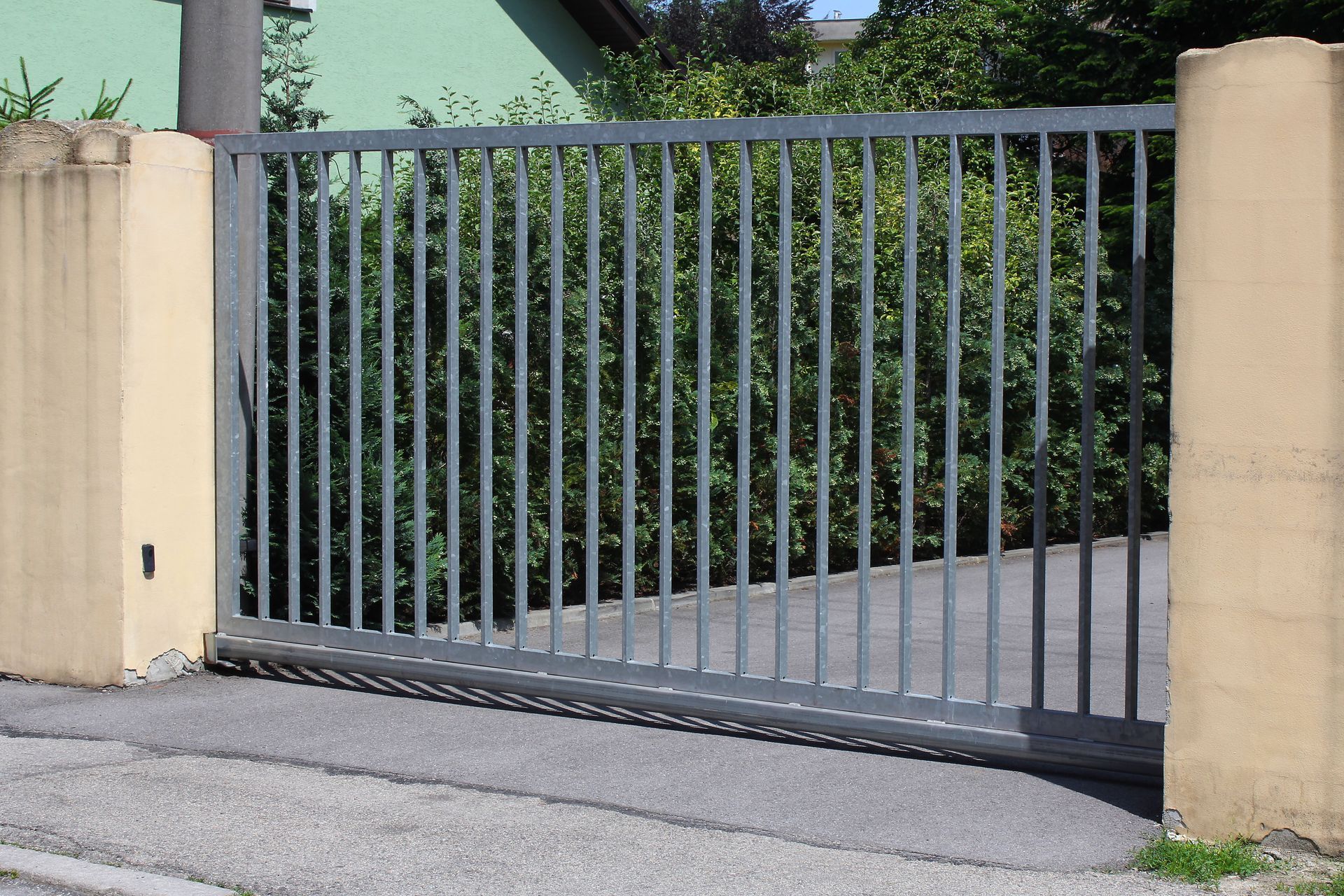
The transition of iron door aesthetics from traditional to modern was marked by a shift towards personalization and streamlined designs. While intricate patterns and ornate detailing were in vogue in earlier eras, there's a noticeable shift towards clean lines and geometric patterns in the contemporary era. This shift doesn’t negate the historical elements but rather blends them, allowing a harmonious coexistence of the old and the new. Such transformations reflect the growing demand for custom iron doors that not only provide utility but are also reflective of personal style. As aesthetic preferences continue evolving, the versatility of iron doors plays a crucial role in aligning them with contemporary trends.
Key Elements in Both Historical and Modern Iron Door Designs
Key elements in iron door designs have traditionally included specific motifs, vibrant finishes, and robust materials. In historical designs, these elements were often centered around grandeur and opulence, echoing the status and power of the dwellings they graced. Conversely, in modern designs, there is an emphasis on the integration of sustainability and minimalist elegance. These designs incorporate elements like clear or textured glass, automatic features, and energy-efficient components while maintaining the timeless appeal of iron. This marriage of historical allure with modern innovation ensures that custom iron doors remain a preferred entryway solution for diverse architectural needs.
How Modern Innovations Influence Custom Iron Door Trends
Modern innovations have significantly heightened the customization possibilities of iron doors, enhancing their functionality and aesthetic appeal. Technological advancements have facilitated intricate detailing with precision and reduced fabrication times, thus boosting creativity among designers. Additionally, the integration of smart technology in doors has transformed their utility, offering features such as remote access, enhanced security, and efficient energy usage. These innovations have propelled the residential iron and steel door market, with projections indicating growth from $22.03 billion in 2025 to an impressive $30.52 billion by 2035, according to Market Research Future. This indicates a sustained interest and evolving expectations from homeowners regarding their entryway options.
Craftsmanship and Materials: Ensuring Quality and Durability
Importance of Quality Materials in Crafting Iron Doors
The longevity of an iron door is heavily influenced by the quality of materials used in its construction. High-grade iron is fundamental as it ensures resistance against wear and oxidation, thereby maintaining the door’s structural integrity over many years. Furthermore, the use of supplementary materials like tempered glass and brass accents not only enhances durability but also improves aesthetic value. In opting for quality materials, homeowners can ensure their entryway withstands both time and environmental elements. The investment in premium materials is reflected in the lasting value and appearance of custom iron doors.
Techniques Used in Iron Door Fabrication
Iron door fabrication requires a combination of traditional craftsmanship and modern techniques. Hand-forging ensures each piece retains an element of uniqueness, a testament to skilled artisanship. In contrast, laser cutting and CNC machining offer precision and efficiency, crucial for modern designs with intricate details and tight specifications. Welding techniques ensure the structural soundness of the door, emphasizing stability and security. Each technique contributes to the door's overall quality, balancing the rich heritage of craftsmanship with technological advancements that meet contemporary demands.
How Craftsmanship Affects Durability and Functionality
Craftsmanship significantly impacts the durability and functionality of iron doors. Superior workmanship is evident in precise detailing, seamless connections at joints, and consistent finishes, all of which contribute to the door's longevity and performance. Experienced artisans ensure that the intricate patterns and designs don’t compromise the structural robustness. Furthermore, expertly crafted doors often offer enhanced insulation and security, elevating their functional value. Consequently, investing in high-caliber craftsmanship pays dividends by enhancing both the aesthetic allure and practical benefits of custom iron doors.
Materials and Finishes that Enhance Longevity
Materials and finishes play a vital role in ensuring the longevity of iron doors. Finish coatings like galvanization and powder coat not only provide an additional layer of protection against corrosion and scratches but also contribute to aesthetic appeal. Iron mixed with other metals, such as zinc or aluminum, can enhance rust resistance, making doors more durable. Furthermore, maintenance-friendly finishes not only preserve aesthetic quality but also minimize the effort required to maintain the door's pristine condition. These factors are critical in ensuring long-term functional and visual appeal.
Common Pitfalls in Iron Door Fabrication and How to Avoid Them
Despite their many benefits, iron doors can present challenges if fabricated poorly. Common pitfalls include improper alignment, insufficient measurement accuracy, and inadequate protective finishes. These issues can lead to compromised functionality, such as poor fit or diminished weather resistance. Avoiding these pitfalls requires collaboration with skilled designers and fabricators who possess expertise in detailed measurements and high-quality finishes. Regular consultation throughout the fabrication process ensures the doors meet exacting standards and align with the specific needs and aesthetics of the homeowner.
A front entryway is far more than a simple point of access; it sets the tone for your entire home, defining its architectural personality while providing essential safety and insulation. Custom iron doors represent the perfect synthesis of form and function, pairing old-world artistry with modern engineering to deliver unparalleled curb appeal, elevated security, and long-lasting durability.
Whether you are restoring a historical residence or building a modern architectural showpiece, investing in tailored ironwork guarantees a lasting impression. By carefully selecting high-grade materials, choosing functional enhancements like energy-efficient glass, and partnering with experienced installation professionals, you can transform your entryway into a timeless masterpiece that adds beauty, security, and lasting value to your home for decades to come. Call Colorado Custom Iron Works Inc today for more.