March 6, 2026
Iron railings have long played a pivotal role in architecture, particularly in elevated spaces where safety and aesthetics converge. From ancient times to modern-day construction, iron railings have evolved, but their core importance remains unchanged. This article underscores their critical role not only as safety features but also as elements that enhance the design of structures.
Elevated areas pose unique challenges in construction, requiring solutions that mitigate risk and enhance aesthetics. According to data provided by Criterium, incidents involving stairs represent the second-highest cause of accidental injury in the U.S., leading to 12,000 fatalities every year and creating $92 billion in annual expenses related to non-fatal harm. Understanding these contributions to safety, along with the artistic and economic benefits iron brings, is crucial for appreciating its place in both classic and modern architectural contexts.
Understanding the Historical Significance of Iron Railings
Iron railings trace their origins back to periods where stonework laid the foundation of architectural undertakings. The versatility and strength of iron made it an appealing choice for craftsmen and architects in ancient societies.
In ancient Rome, iron railings were used in markets and public squares, delineating spaces and providing security. Similarly, in medieval Europe, churches and castles made use of ironwork to line staircases and balconies. This utilitarian purpose provided a standard so that, as society progressed, iron railings became a staple in both private residences and public edifices.
By the Renaissance, ironwork evolved into a form of art, with intricate designs gracing the balconies of burgeoning urban landscapes. As cities expanded vertically, the role of iron railings became even more pronounced, providing necessary security in elevated areas. Even today, remnants of these designs can be seen in historical districts, underscoring the enduring nature of iron railings in architecture.
Examining Evolution Over Centuries
Across centuries, the evolution of iron railings paralleled innovations in architecture and construction. What began as a purely functional aspect of building design soon became a focal point for artistic expression. During the Baroque and Victorian eras, the designs of iron railings became more intricate and elaborate.
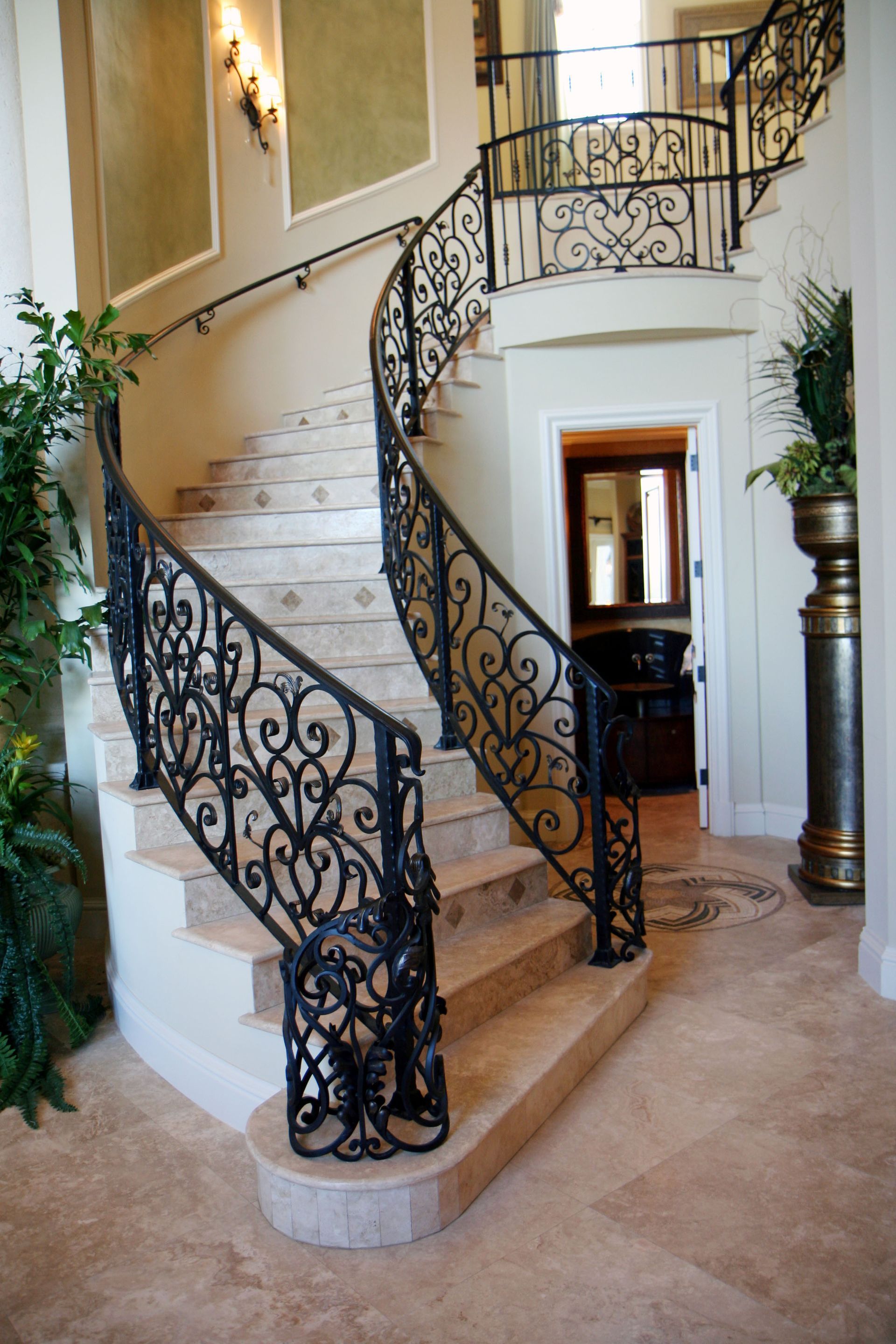
These railings not only served safety purposes but also reflected the artistic tendencies of the era, with swirling patterns and ornate details. Innovations in iron forging and casting allowed artisans to create more elaborate and structurally sound systems. This period marked a transition from mere functionality to an era where iron railings played a pivotal role in the aesthetic composition of a building.
As architecture moved into the industrial age, the production of iron railings became more streamlined and accessible. Techniques developed during this time allowed for mass production without compromising the elegance and strength of the designs. This provided a way for iron railings to remain a popular choice in both residential and commercial constructions throughout the 19th and 20th centuries.
Analyzing Influence on Modern Design
In contemporary architecture, iron railings continue to be a significant design element, influencing modern aesthetics and functionality. Modernism brought a shift in architectural design, emphasizing minimalist and clean lines, but the strength and durability of iron allowed for its continued use. Iron railings marry traditional craftsmanship with modern technology.
Iron railings in modern design not only contribute to safety but also enhance the visual appeal of spaces, from luxurious residential balconies to functional public stairways. Their use in interiors as well as exteriors underscores the versatility of iron as a material. The ongoing development of sustainable production methods further provides that iron railings will remain a cornerstone in architectural design.
Identifying Notable Historical Structures
Several historical structures worldwide exhibit the timeless quality of iron railings, standing as testaments to their enduring significance. The Eiffel Tower, designed by Gustav Eiffel, features intricately designed iron railings that complement its iconic structure. Not only do they serve as crucial safety features, but they also add to the iconic silhouette recognized globally.
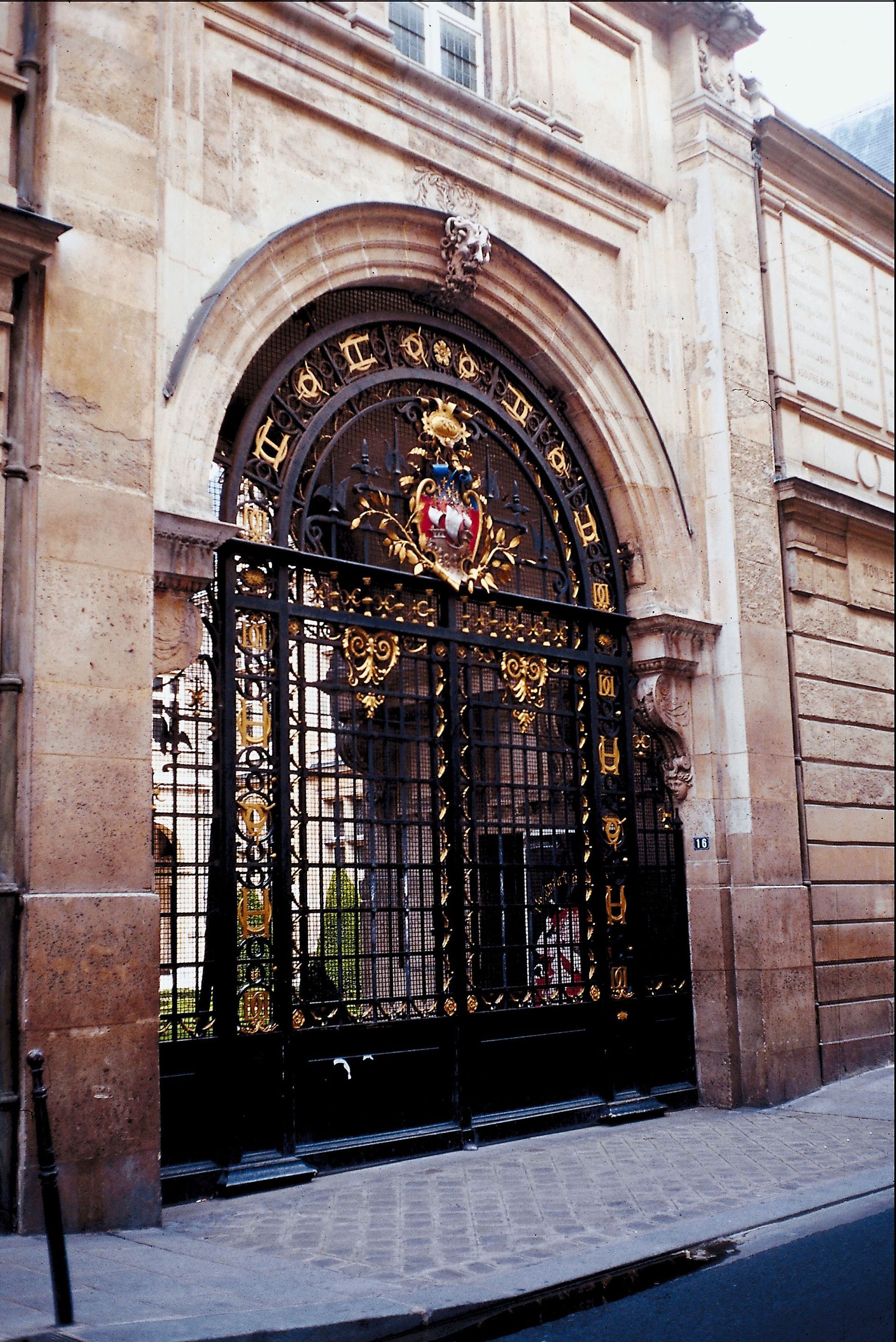
In Venice, the bridges connecting the city’s canal-separated districts are adorned with iron railings that have withstood the test of time. Their presence is as much about maintaining the integrity of the architecture as it is about preserving the city’s historical and artistic heritage. Similarly, the wrought iron railings of the Winter Palace in Saint Petersburg complement the opulence of the surrounding architecture, illustrating the decorative potential of iron.
Transitioning From Functional to Ornamental
Iron railings were primarily installed with the functionality of guarding against accidents and delineating spaces. However, over time, their role expanded to incorporate elements of design and artistry, transforming them from mere functional features to ornamental artifacts. This transition was largely driven by advances in metalworking techniques and the demands of aesthetic innovation in architecture.
The advancement of technology enabled more intricate designs, as craftsmen could manipulate iron into intricate and decorative patterns. This allowed architects to incorporate these railings into their design, embracing an element of grandeur and sophistication. The use of iron railings as decorative features became prevalent in public and residential buildings alike, often defining the character of a structure.
Exploring Aesthetic Appeal and Design Flexibility
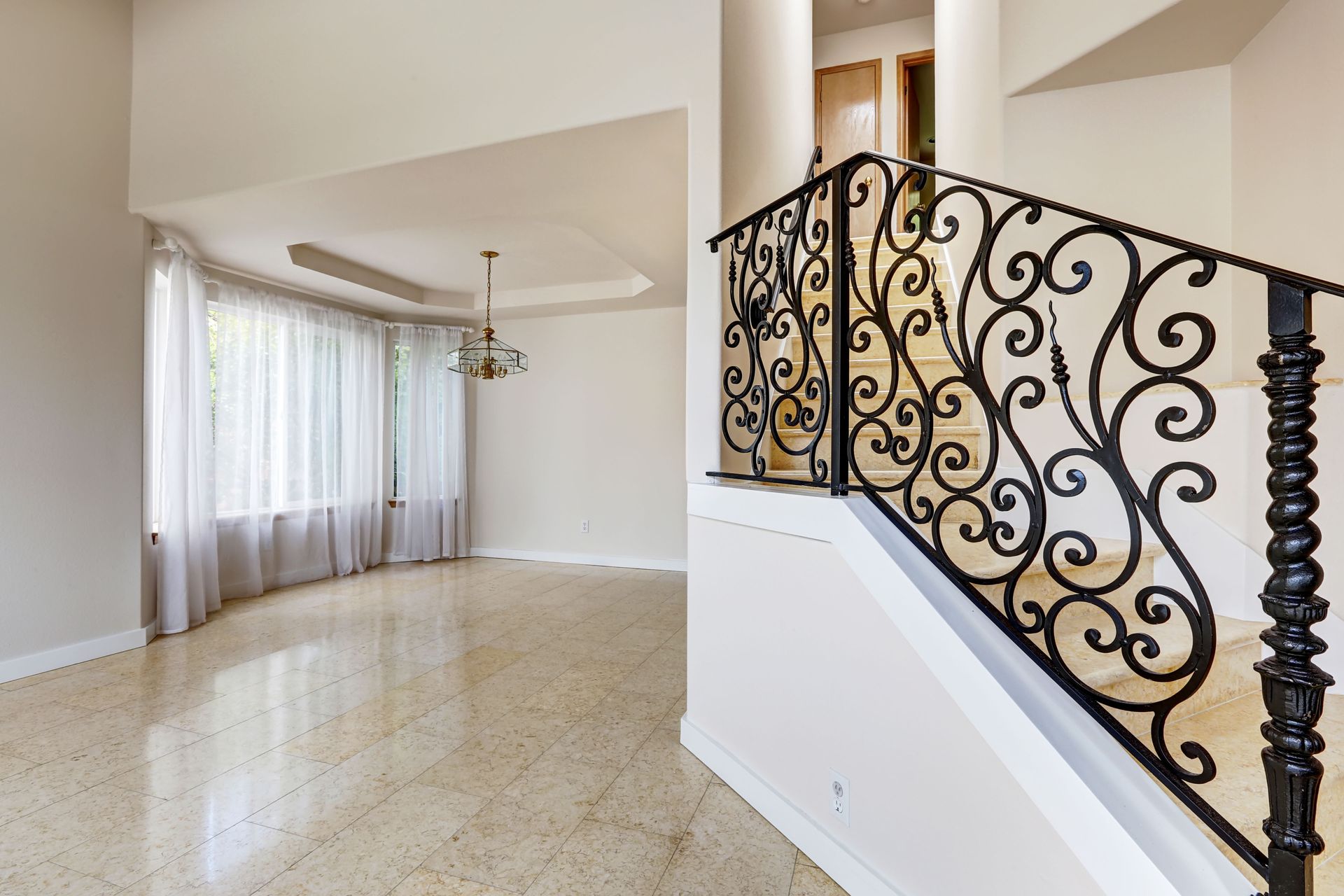
Iron railings are lauded for their versatility in design, offering extensive customization options that cater to diverse aesthetic preferences. This adaptability allows architects and designers to craft railings that align with specific architectural themes or client visions. From minimalist contemporary designs to ornate traditional patterns, the possibilities are virtually endless.
Customization extends to various elements, including the choice of finials, scrolls, and pickets. These details allow for the creation of unique railings that add character and a sense of luxury to any property. The ability to tailor every aspect of the design allows railings to not only provide safety but also serve as a reflection of the owner’s style.
Integrating with Architectural Styles
Iron railings possess a unique ability to integrate seamlessly with a wide range of architectural styles. Whether used in a rustic farmhouse, a sleek modern loft, or a grand neoclassical estate, iron railings complement and enhance the existing design. This stylistic flexibility makes them a preferred choice for architects working on diverse projects.
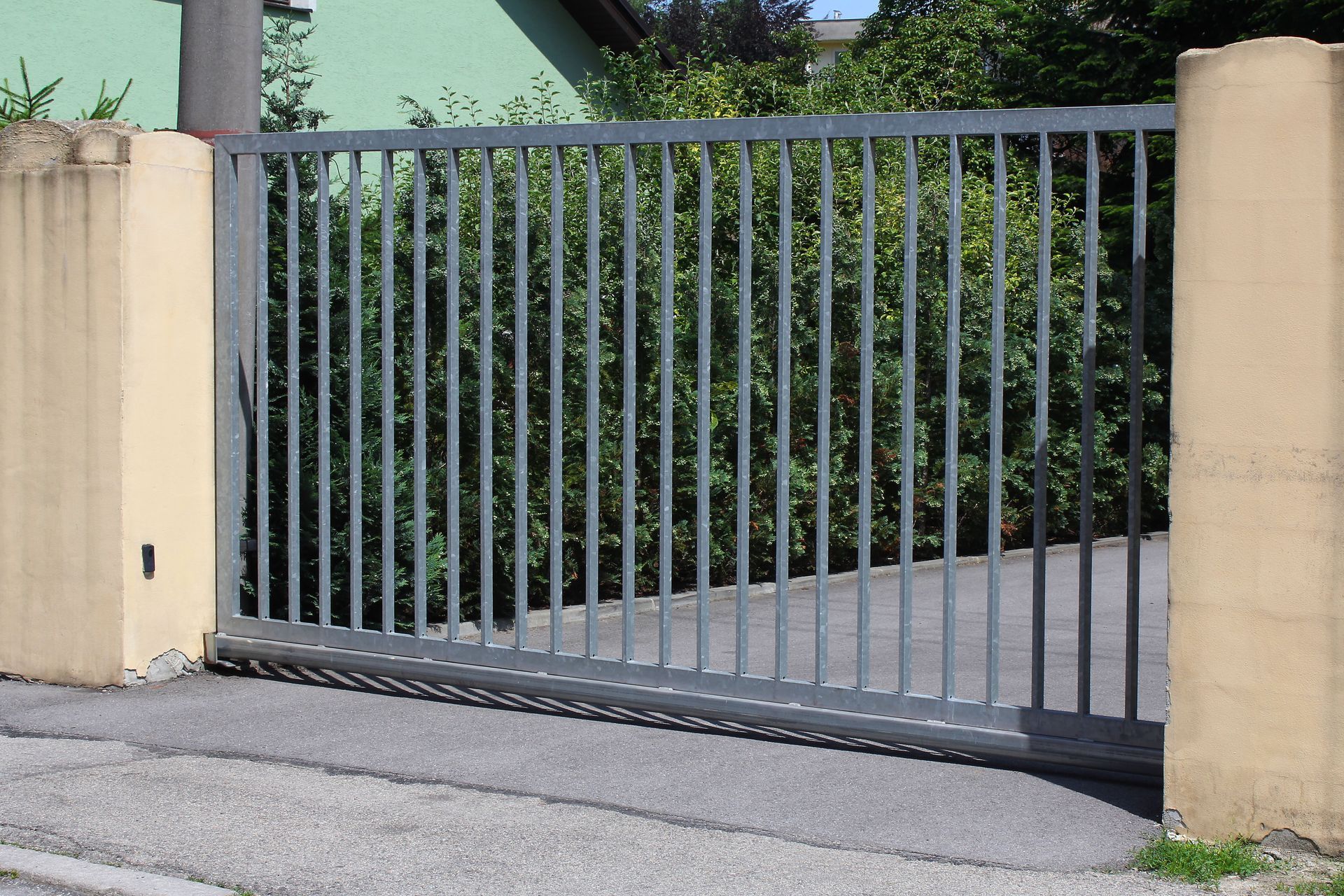
In modern architecture, the clean lines of iron railings provide a sophisticated and understated look. In historical restorations, they can be designed to replicate original patterns, preserving the authenticity of the structure.
Enhancing Property Curb Appeal
The installation of high-quality iron railings can significantly enhance the curb appeal of a property. As a prominent exterior feature, railings draw the eye and contribute to the overall first impression of a home or building. A well-designed railing system adds a sense of permanence and elegance that can increase the perceived value of the property.
Iron railings can also be used to define garden spaces and outdoor living areas. This provides a cohesive look throughout the exterior, tying different elements together. By choosing a design that complements the landscaping and architecture, property owners can create a polished and inviting environment.
Realizing the Strategic Value of Iron Railings
Iron railings represent the perfect intersection of historical tradition, modern safety, and artistic expression. Their role in protecting individuals in elevated spaces is backed by centuries of proven durability and strength. From meeting strict building codes to enhancing the visual narrative of a structure, they remain an unparalleled choice for architects and homeowners alike. The decision to install these systems is often a long-term investment in both the structural integrity and the character of a property.
This strategic value is further amplified by the material's adaptability to evolving architectural trends. Unlike synthetic alternatives, iron can be reforged or refinished to match changing styles while maintaining its fundamental load-bearing capacity. This provides a sustainable solution that avoids the waste associated with replacing less durable materials. By integrating iron into the architectural design, property owners secure a permanent safety feature that grows more prestigious with age, serving as a functional legacy that bridges the gap between old-world craftsmanship and contemporary security standards.
When you are ready to enhance the safety and beauty of your property, look for quality craftsmanship that stands the test of time. Colorado Custom Iron Works Inc provides expert solutions for those seeking premium railings tailored to their unique architectural needs. Contact us today to discover how our ironwork can transform your elevated spaces into secure and stunning landmarks.