March 3, 2026
Hiring contractors for an iron railing project can feel like a big step, especially if you’ve never gone through the process before. From the first phone call to the final installation, there are several stages involved, and knowing what happens at each one can make the experience smoother and far less stressful. A good contractor doesn’t just install metal; they help guide decisions, manage logistics, and make sure the finished railing fits both the space and how people actually use it. This article walks through what you can expect when working with contractors on iron railings, so you can feel confident from start to finish.
Starting With the Initial Consultation
The process usually begins with a conversation. During the initial consultation, contractors ask questions about where the iron railing will be installed, how the space is used, and what goals you have for safety and appearance. This is the time to talk openly about concerns, whether it’s protecting a stairway, enclosing a balcony, or adding security to an entry point. Contractors may also ask about timelines and budget ranges so expectations are clear from the beginning. This early stage sets the tone for the entire project and helps avoid misunderstandings later.
They may also discuss previous projects that are similar in scope to help illustrate what’s possible and what typically works well in comparable spaces. This conversation allows both sides to align on priorities, identify potential challenges early, and establish clear communication, which can make the rest of the project feel more organized and manageable.
Reporting Site Evaluation and Measurements
After the initial discussion, contractors typically visit the property to take measurements and assess the installation area. Accurate measurements are critical for any iron railing project because even small miscalculations can affect fit and function. During this visit, contractors look at factors like surface conditions, existing structures, slope, and traffic flow. They may also point out issues you hadn’t considered, such as uneven steps or limited clearance, and explain how those details influence the design and installation process.
This site visit also gives contractors a chance to evaluate access points and determine how equipment and materials will be brought in without disrupting the surrounding area. By addressing these logistical details early, they can plan a smoother installation and reduce the likelihood of unexpected adjustments once work begins.
Discussing Safety and Code Considerations
Safety is one of the main reasons people choose an iron railing, especially for stairs and elevated areas. Contractors often explain how railing height, spacing, and placement relate to safety guidelines and local building codes. This conversation matters more than many people realize. According to Criterium, accidents related to stairs are the second-leading cause of accidental injuries in the United States, responsible for 12,000 deaths annually and for non-fatal injuries costing $92 billion a year. Understanding how a properly installed iron railing can reduce risks helps reinforce why professional planning and execution are so important.
Incorporating Design Options and Style Choices
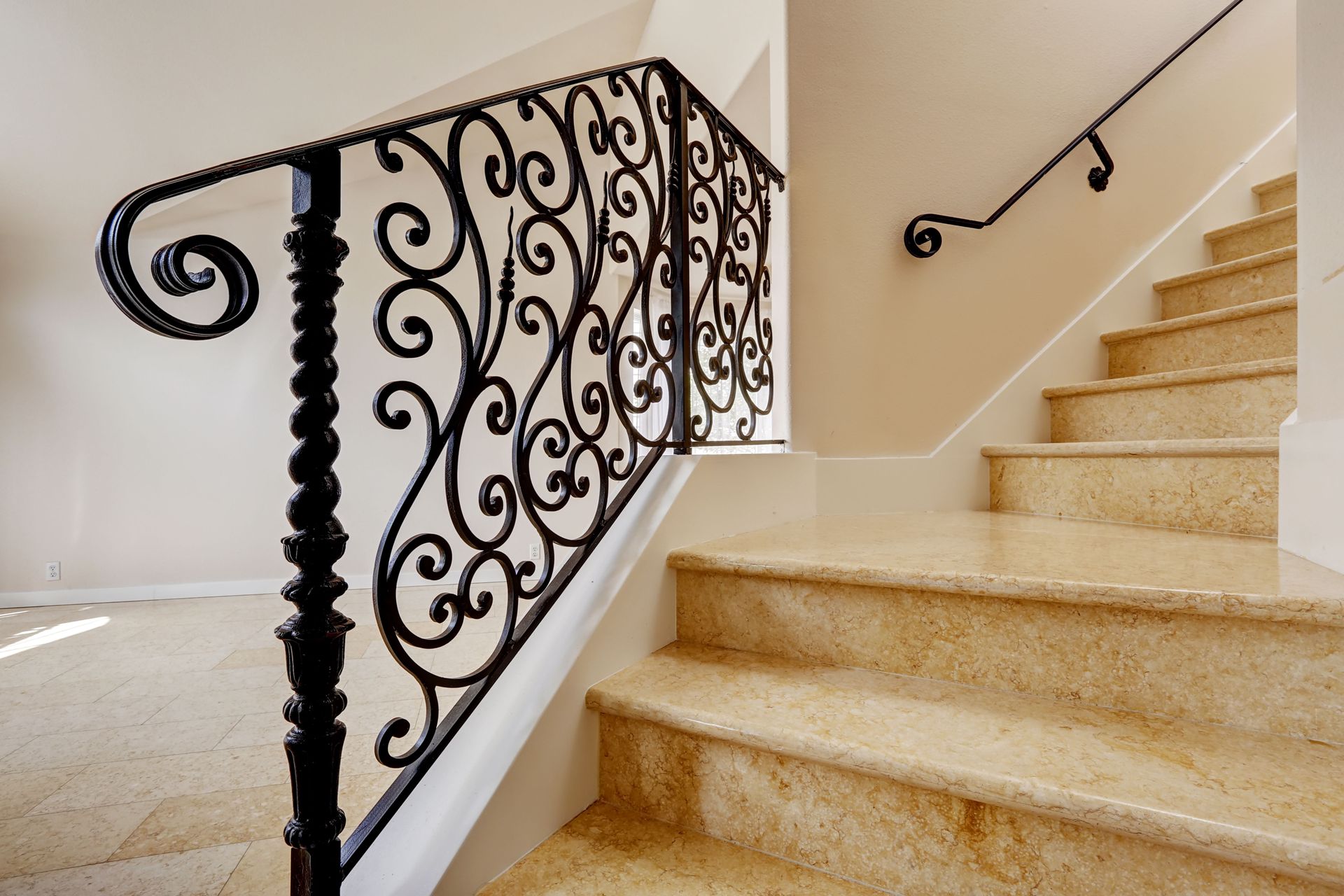
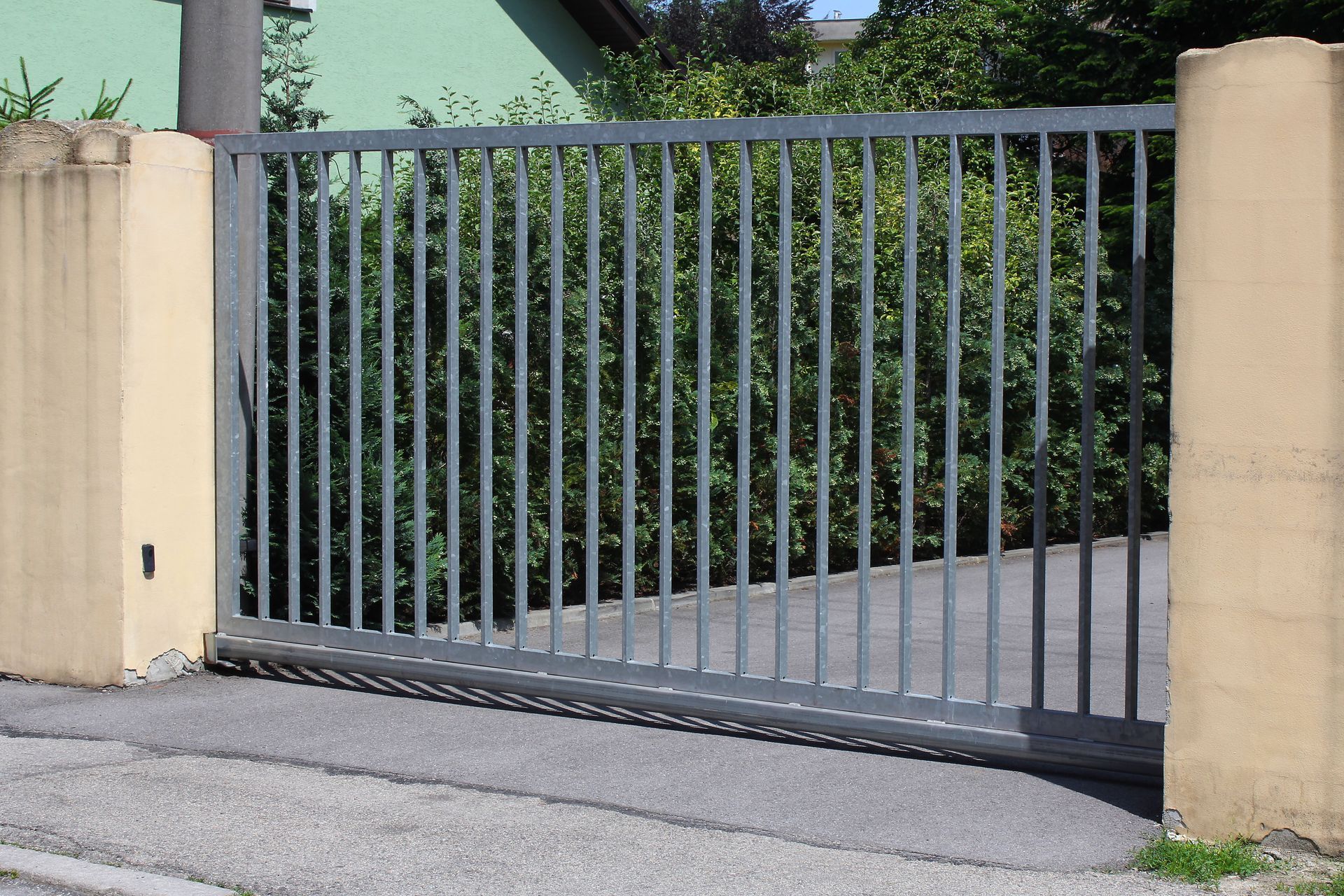
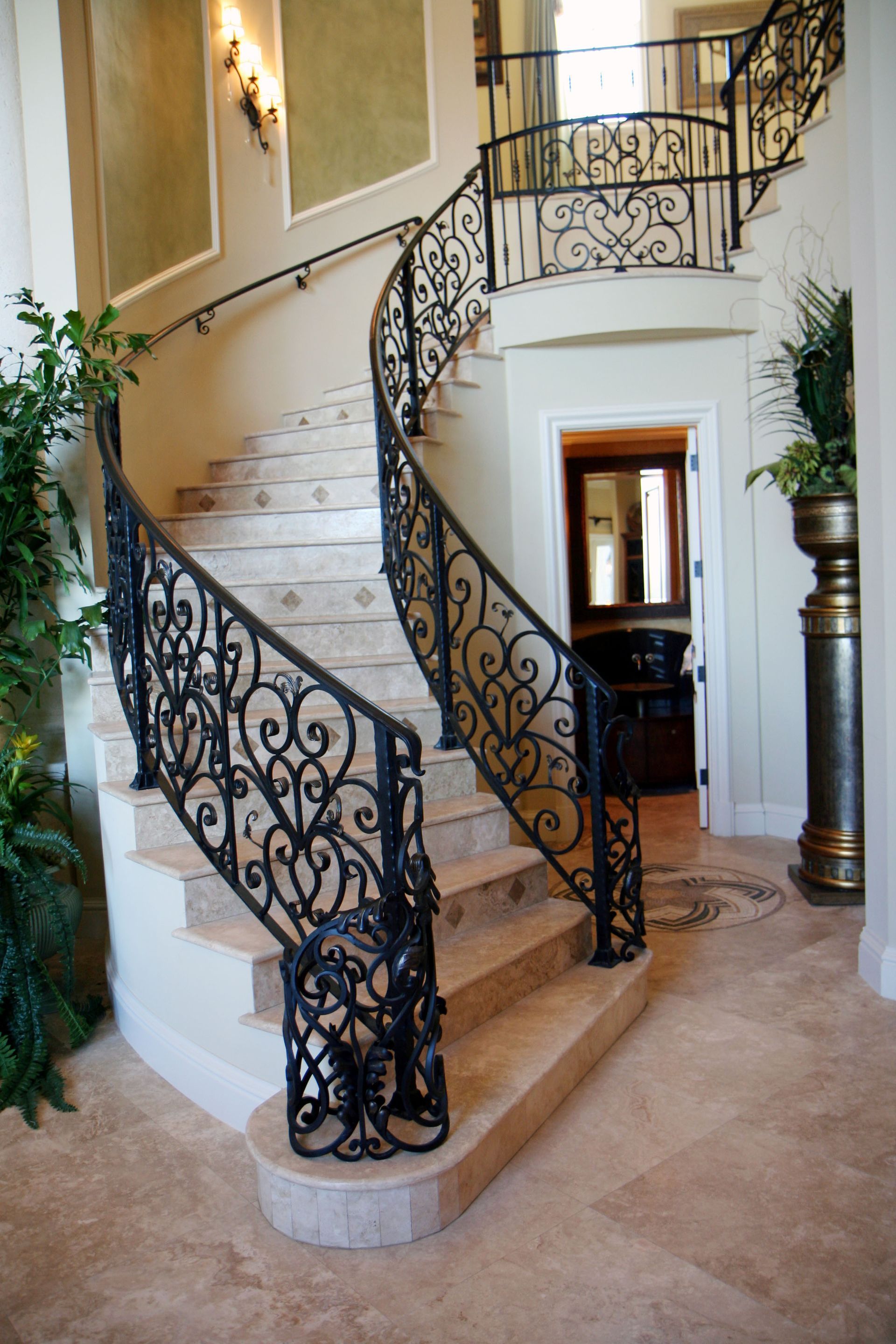
Once safety requirements are clear, attention usually shifts to design. Contractors walk clients through different style options, from simple vertical pickets to more decorative patterns. The goal is to create an iron railing that fits the architecture of the property without overpowering it. At this stage, you may review sketches, photos, or digital mockups. Contractors also explain how design choices can affect visibility, maintenance, and long-term durability, helping you make informed decisions that balance appearance with function.
This part of the process is also when personal preferences really come into play. Contractors can suggest adjustments that align with how the space is used day to day, ensuring the iron railing feels cohesive with the overall environment while still meeting practical needs.
Choosing Material and Finishes
Not all iron railings are the same, and contractors typically explain the materials and finishes available for your project. This includes discussing coatings that help protect against rust and wear, especially in outdoor environments. Finish options can influence how often the railing needs maintenance and how it holds up over time. Contractors may also explain how different finishes react to weather, sun exposure, and daily use, ensuring the iron railing remains dependable and attractive for years.
Discussing Project Timeline and Scheduling
Once the design and materials are agreed upon, contractors outline a realistic project timeline. This usually includes fabrication time, scheduling the installation, and any preparation needed beforehand. Good contractors are upfront about how long each phase may take and what could cause delays, such as weather or permitting requirements. Understanding the timeline helps property owners plan accordingly and reduces frustration if adjustments become necessary along the way. Contractors may also explain how coordination with other ongoing projects or property access schedules can affect timing, which helps avoid conflicts and last-minute changes. Clear scheduling expectations make it easier to stay informed and prepared as the project moves forward.
Understanding Fabrication and Preparation
Fabrication is where the iron railing begins to take physical shape. Contractors coordinate the creation of the railing based on the approved design and measurements. This phase happens off-site in most cases and requires precision to ensure the final product fits exactly as planned. While clients don’t usually see this step firsthand, contractors may provide updates or photos to show progress. This behind-the-scenes work is essential to achieving a clean installation later. Careful preparation during fabrication helps reduce on-site adjustments and supports a smoother, more efficient installation process.
Understanding the Installation Process
Installation day is often the most anticipated part of the project. Contractors arrive with the fabricated iron railing and the necessary tools to secure it properly. They prepare the installation area, make final adjustments, and anchor the railing to ensure stability. A professional installation focuses on alignment, secure mounting, and smooth transitions with existing surfaces. Contractors also take steps to minimize disruption to the property during this phase.
Conducting a Final Inspection and Walkthrough
After installation, contractors typically conduct a final inspection to confirm everything meets expectations. This includes checking that the iron railing is secure, level, and finished properly. Many contractors also do a walkthrough with the property owner to explain maintenance tips and answer any final questions. This step ensures you understand how to care for the railing and what signs to watch for over time, reinforcing long-term safety and performance.
Establishing Clear Communication and Ongoing Support
Working with contractors doesn’t always end the moment installation is complete. Reliable contractors remain available for follow-up questions or adjustments if needed. Clear communication throughout the project helps build trust and ensures issues are addressed quickly. Whether it’s guidance on cleaning or questions about future upgrades, ongoing support adds value to the overall experience and helps the iron railing continue to serve its purpose effectively.
If you’re planning a project and want guidance from a team that understands both safety and craftsmanship, Colorado Custom Iron Works Inc offers support from consultation through installation. A short conversation can help clarify options and set expectations before moving forward.
Working with contractors on an iron railing project is a collaborative process that involves planning, communication, and attention to detail. From the first consultation to the final walkthrough, each step plays a role in creating a railing that improves safety, fits the space, and holds up over time. Knowing what to expect helps property owners feel more confident and prepared, making the experience smoother and more rewarding from start to finish.